Our Forest School Adventure: Leaf Play and Worm Hunts!
- manager9640
- Oct 25, 2024
- 5 min read




Leaf Play and Laughter
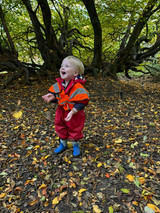
The children were captivated by the fallen leaves scattered across the ground. It didn’t take long before they were joyfully scooping up piles of leaves to toss in the air, covering themselves and each other in a burst of color. As they played, we encouraged them to explore the different types of leaves, noticing shapes, sizes, and colors. They found maple leaves, oak leaves, and even a few acorns still attached. Each handful was a new discovery, and each swirl of leaves created a sense of wonder.
Leaf play turned out to be a fantastic opportunity to talk about the season and how the trees prepare for winter. The children were fascinated to learn how leaves change color before falling and how this process feeds the soil, helping other plants grow.
Worm Hunts and Mini Beasts
After leaf play, the real adventure began as we set out on a "worm hunt." The children were eager to dig into the earth, turn over stones, and peer under fallen branches. With small trowels and gentle hands, they discovered wriggling worms, as well as a few other forest friends like beetles and tiny centipedes.
Not only was this a great chance to learn about these creatures' habitats and life cycles, but it also sparked conversations about why worms are essential for our soil. The children were thrilled to know they were meeting the "garden helpers" who make the ground so fertile!
Learning in Nature
At Forest School, every trip brings new learning experiences. Through play, exploration, and hands-on activities, the children connect with nature in meaningful ways. They learn respect for the environment, curiosity about the world, and teamwork as they share their discoveries.
The Wonderful Benefits of Finding Worms
At Sunshine Nursery, we know that some of the most powerful learning moments happen in the simplest ways—like when children find worms in the soil! While it might seem like just a fun activity, unearthing these wiggly creatures has surprising educational benefits that go far beyond the garden bed. Here are just a few reasons why we encourage our little explorers to dig, discover, and get up close with these tiny but mighty friends.
1. Boosts Curiosity and Scientific Inquiry
When children find a worm, it sparks a natural curiosity. They start asking questions like, “Why do worms like the soil?” or “What do they eat?” This sense of wonder fuels early scientific thinking and inquiry skills, giving them a foundation for exploration and learning that will carry into school and beyond.
2. Encourages Respect for Nature
Worms might be small, but they play an essential role in our ecosystem! As children learn about worms’ role in nourishing plants and improving soil, they develop empathy and respect for all creatures, learning that even the tiniest animals make a big difference.
3. Sensory Exploration
There’s nothing quite like digging into the soil and holding a wriggly worm. This hands-on experience stimulates the senses—touch, sight, and even smell! Sensory play like this helps children build important skills in sensory processing and motor development, all while having a blast.
4. Fosters Patience and Mindfulness
Searching for worms takes patience and requires children to slow down, stay still, and watch carefully. This process encourages mindfulness as children learn to observe their surroundings and focus on each step. It’s a wonderful way to introduce patience in a fun and gentle way.
5. Supports Physical Development
Digging and searching for worms is a fantastic way to develop physical skills. Small hand movements improve fine motor abilities, while larger motions like shoveling or reaching build strength and coordination.
6. Builds Emotional Confidence
For some children, the idea of holding a worm is new and a little brave. Successfully finding and holding one builds confidence, showing them they can take on new experiences without fear. It’s these small moments that help them feel accomplished and ready to face new challenges.
7. Introduces Ecological Responsibility
Learning that worms help our environment gives children a sense of responsibility toward nature. They begin to understand that even the smallest creatures play a part in our ecosystem, and they’re proud to contribute by caring for their surroundings.
Digging Deeper at Sunshine Nursery
At Sunshine Nursery, finding worms is just one of the ways we connect children to nature and help them build foundational skills in science, empathy, and self-confidence. We encourage you to celebrate these simple discoveries at home, too! Whether it’s in the garden, at the park, or on a nature walk, each encounter with a worm is a small but meaningful step in your child’s learning journey.
Forest School Fun at Home: Ideas for Parents
Want to bring some of that forest fun into your own home? Here are a few simple and engaging ideas to keep the exploration going with leaves and worms:
Leaf Art and Collages: Collect leaves in different colors, shapes, and sizes, and let your child create their own leaf collage. You can also press the leaves in a book and then use them to make artwork or greeting cards. For a bit more creativity, try leaf rubbings by placing leaves under a piece of paper and coloring over them with crayons.
Nature Sensory Bin: Fill a shallow bin with leaves, small twigs, and stones to create a mini forest experience. Add toy bugs, worms (even spaghetti “worms”!), or small animal figures for a fun sensory experience right at home. This setup encourages exploration and is a wonderful way to talk about textures and nature.
Worm Observation Station: If your child was fascinated by worms, consider setting up a worm observation container. Use a clear container, layer it with damp soil and sand, and add a few worms from the garden. Cover the container to keep it dark, and after a few days, check out the worm trails through the soil layers before safely returning them outdoors.
Leaf Identification Walk: Next time you’re outside, take a guidebook or app to help identify leaves. Collect a few different types and then go home to research which trees they came from and why each type of tree is important to the environment.
Storytime with Nature Themes: Extend the learning with books about nature. Stories like The Very Busy Spider or Worm Loves Worm can spark discussions about creatures and habitats, while books about Autumn are great for appreciating the changing colors.
Looking Forward to Our Next Forest School Day!
Each Forest School adventure leaves us eager for the next one. We look forward to many more days of exploring, learning, and making memories in nature. Thank you for supporting our Forest School program and allowing your children to experience the wonders of the natural world with us!


Comments